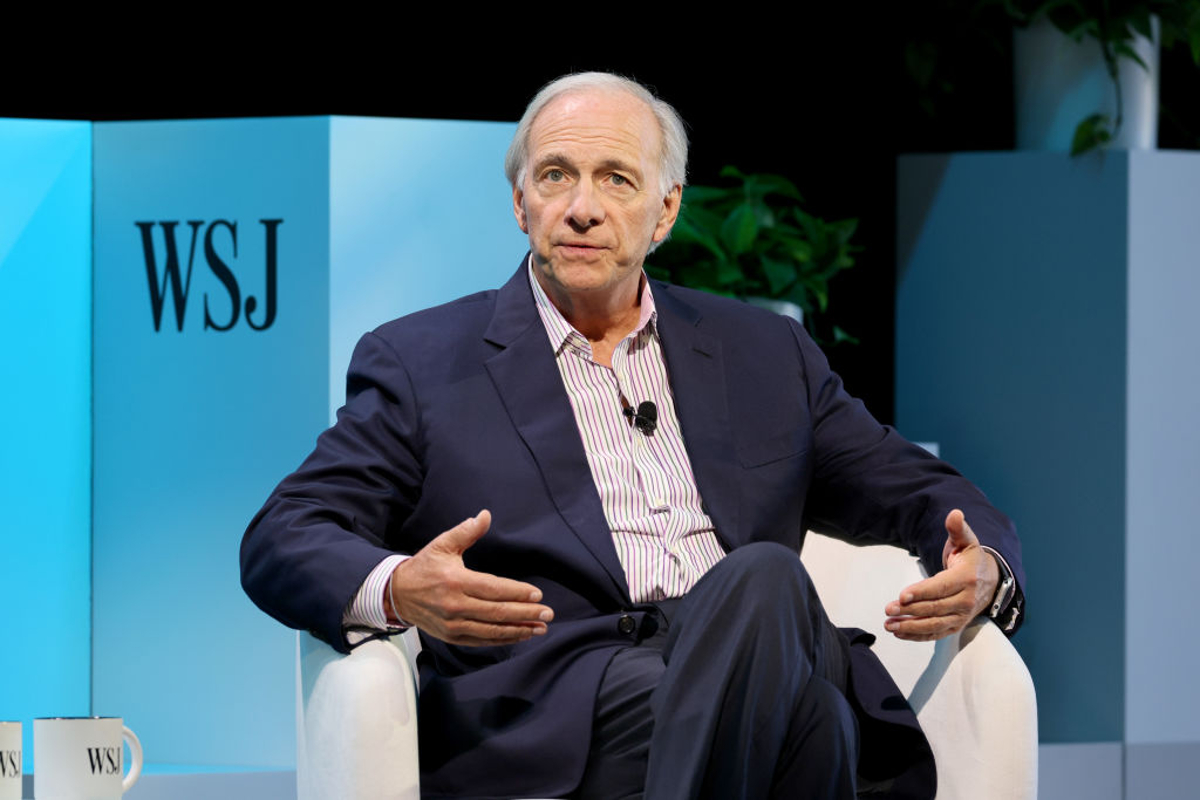
Ray Dalio’s YouTube video “Principles for Dealing with the Changing World Order,” released in March 2022, is a 43-minute animated explanation of his book by the same name. It distills 500 years of history into the “Big Cycle” of empire rises and declines, using examples from Dutch, British, US, and Chinese powers. Dalio draws from his experience as Bridgewater Associates founder to show how studying past patterns helps anticipate future shifts like debt crises, internal conflicts, and geopolitical rivalries.
The Big Cycle Explained
Dalio outlines a timeless cycle where empires rise after major conflicts, peak through productivity and military strength, then decline due to debt, inequality, and wars. Key phases include a peaceful rise with strong education and innovation, a top marked by financial bubbles and decadence, and decline from internal disorder (populism, revolutions) and external challenges. Eight metrics measure power: education, innovation, trade share, economic output, military strength, financial centers, and reserve currency status.
Historical Patterns
Over 500 years, empires like the Dutch (peaking with the guilder and stock markets) and British (Victorian era excesses leading to world wars) followed this path, overlapping in 10-20 year conflict transitions. The US dollar became reserve currency post-WWII via Bretton Woods, enabling borrowing but sowing debt seeds, much like predecessors. China mirrors rising phases with productivity gains and financial development.
Current Context
Dalio sees the US in late-cycle decline with high debt, wealth gaps, populism, and China rivalry—echoing 1930s patterns—though not yet at war or currency sell-off. Recent money printing (2008, 2020) devalues currency while boosting assets like stocks and gold, a recurring tactic.
Key Principles
To navigate, earn more than spend, treat others well, and monitor vitals like competitiveness; diversify investments and build adaptable skills. Dalio urges studying history for instincts, as in his 1971 Nixon shock lesson.

 aldridge capital