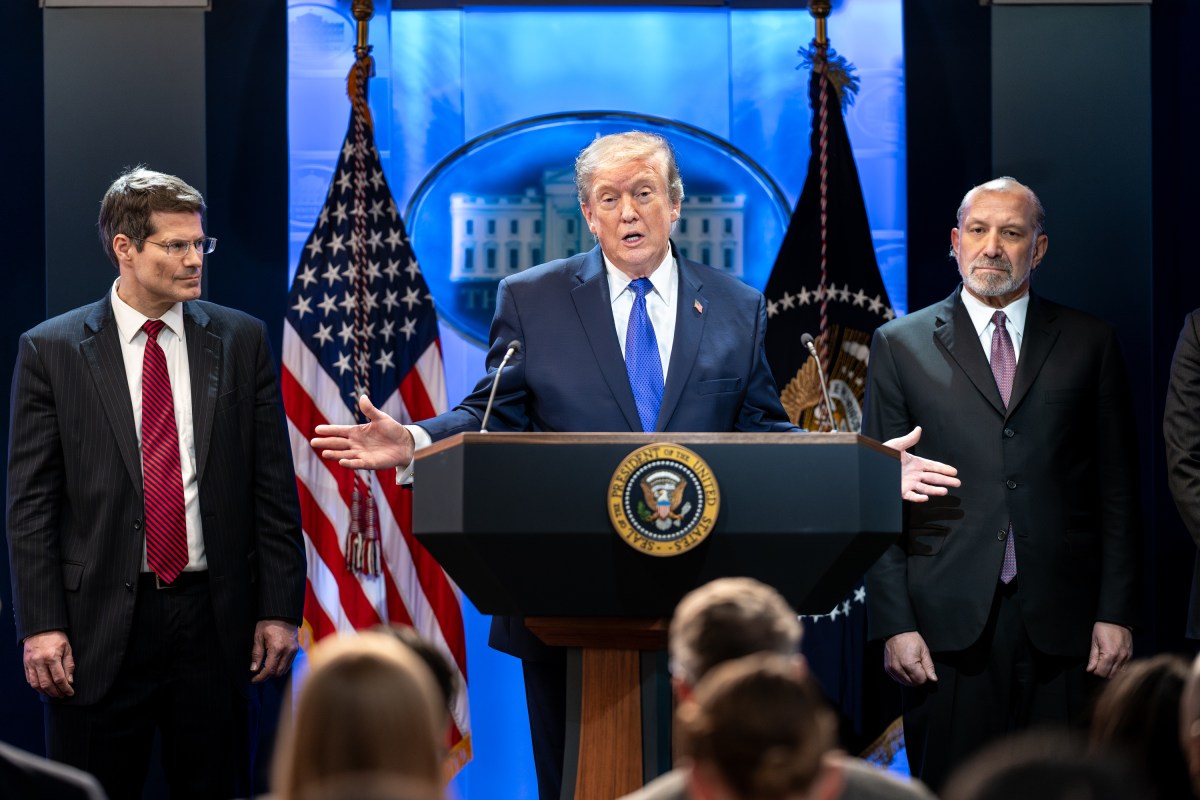
The Supreme Court, in a 6-3 decision, ruled that President Trump exceeded his authority by imposing tariffs under the International Emergency Economic Powers Act (IEEPA). Chief Justice John Roberts wrote the majority opinion, stating that the tariffs operated directly on domestic importers to raise revenue and were not simply a milder measure . The court held that “regulate importation” does not authorize these tariffs.
Following this ruling, President Trump signed an executive order imposing a new 10% global tariff, which was subsequently raised to 15% on Saturday . This new tariff was imposed under Section 122 of the Trade Act of 1974. The decision potentially triggers $175 billion in refunds to businesses, and companies are likely to pursue these claims through the legal system.
The ruling has created uncertainty in global trade, with some analysts calling it a “confusion zone”. Fitch Ratings noted that the decision raises uncertainty about the fiscal impact. The European Union has put trade negotiations with the US on hold, awaiting clarity and stability. China has called on the US government to abandon unilateral trade tariffs. The US Dollar Index (DXY) was down 0.07% following the news, and gold prices rose due to the trade uncertainty.
Despite the ruling, the overall tariff rates are expected to remain similar to their pre-ruling levels, meaning consumers will continue to feel the tax increase . The Supreme Court’s decision does not affect existing tariffs imposed under Section 301 of the Trade Act of 1974. The Trump administration is considering new national security tariffs on several industries.
 aldridge capital